
Sustainability in the Cannabis Industry: Companies Leading the Way
- by Qualitycannabisseeds
- 3 minutes
The rapid growth of the cannabis industry has raised crucial questions about its environmental footprint. As the market expands globally, the need for sustainable practices becomes increasingly urgent to mitigate impacts such as high energy consumption, water use, and waste.
Challenges to Sustainability in the Cannabis Industry
The cannabis sector faces significant environmental challenges. The indoor cultivation of cannabis, favored for its security and controlled environment, is energy-intensive, often relying on 24-hour lighting, climate control, and ventilation systems. Water usage and waste management are other critical issues, with large volumes of water required for plant growth and significant waste generated from plant materials and packaging.
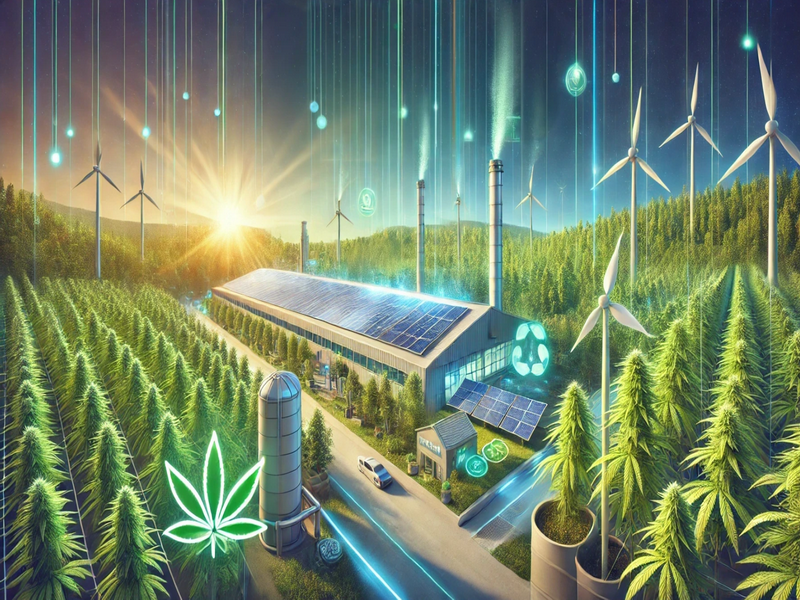
Progressive eco-friendly marijuana firms are spearheading the adoption of sustainable practices within the industry. Renewable energy solutions, such as solar and wind power, are becoming more prevalent in powering cultivation sites and production facilities. Water recycling systems and the use of rainwater are effective in reducing water consumption. Additionally, more companies are turning to organic farming methods to avoid synthetic pesticides and fertilizers, thereby reducing their chemical footprint.
Spotlight on Leading Sustainable Cannabis Companies
Company A stands out by operating entirely on solar power, demonstrating that large-scale renewable energy use is feasible and effective within the cannabis industry. Company B has implemented a comprehensive zero-waste strategy that includes composting, recycling plant waste, and using environmentally friendly materials throughout their operation. Company C has made significant strides with innovative packaging solutions, developing fully biodegradable containers that reduce landfill waste.
Technological Advances Supporting Sustainability
Technological innovation plays a critical role in advancing sustainability in the green cannabis industry. Automation and artificial intelligence help optimize energy use and reduce waste by improving the efficiency of watering, lighting, and climate control systems. Genetic engineering is also emerging as a powerful tool, with new cannabis strains being developed for greater disease resistance and higher yields, requiring fewer resources.
Future Directions
As eco-consciousness increasingly shapes consumer preferences, the allure of eco-friendly cannabis firms is anticipated to grow, spurring further innovations and potentially establishing new norms within the industry. The possibility of a comprehensive shift toward sustainable practices across the sector could transform operational frameworks, embedding environmental considerations into every facet of production and distribution. Key players in the cannabis sector are at the forefront of this movement towards a greener business model.
These sustainability pioneers in the cannabis industry do more than meet existing legal requirements—they surpass them, championing environmental stewardship. Their trailblazing efforts offer a blueprint for others, demonstrating that integrating sustainable practices is not only feasible but essential for the future of the cannabis industry.