
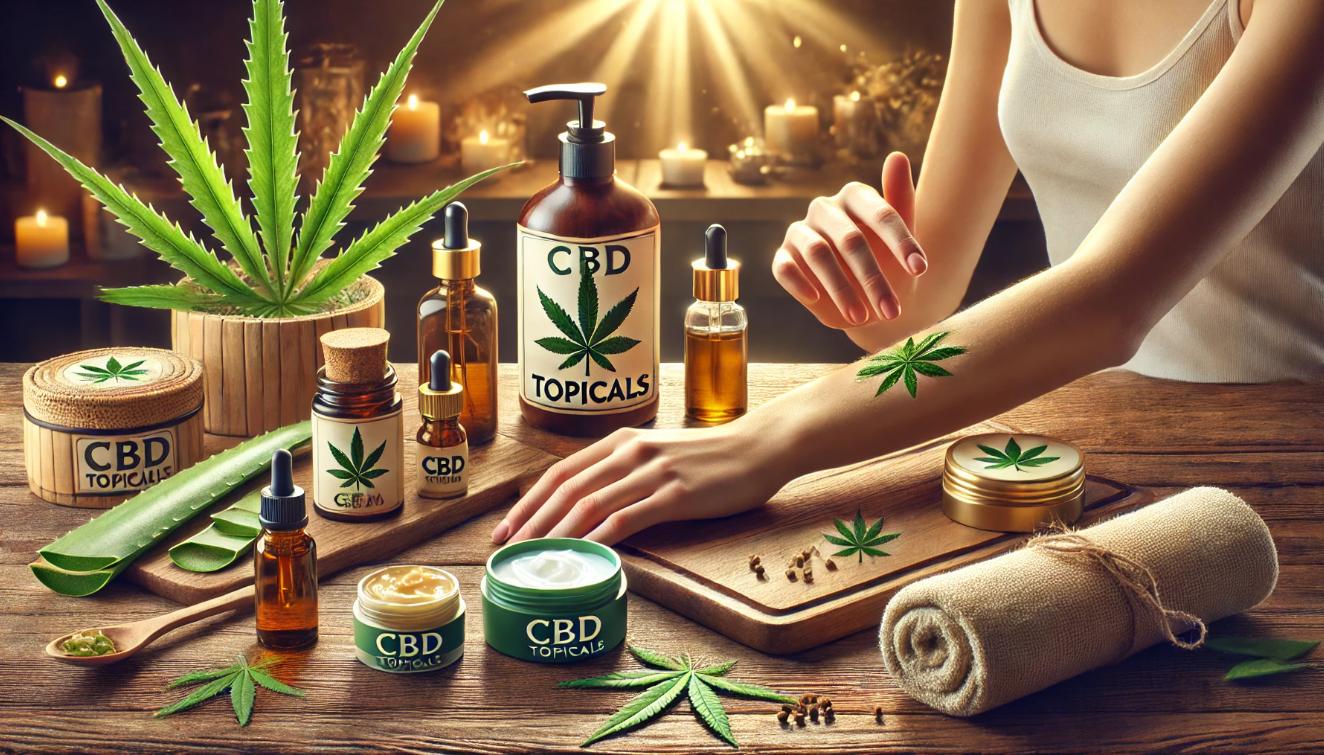
CBD Topicals: Science, Benefits, and Applications
CBD topicals represent a distinctive category within the ever-expanding cannabis wellness landscape. Unlike ingestible CBD products that enter the bloodstream, topicals work primarily through localized interaction with the skin’s endocannabinoid receptors. These specialized products—ranging from balms and creams to lotions and patches—deliver cannabidiol directly to targeted areas, potentially offering relief without systemic effects or psychoactive experiences.
The science behind CBD topicals involves a complex interaction between plant compounds and the human endocannabinoid system.
Potential Therapeutic Applications
Research into CBD topicals continues to evolve and now most established is their potential role in managing localized discomfort. Many users report significant relief when applying CBD-infused products to specific areas experiencing musculoskeletal pain, joint stiffness, or exercise-induced soreness.
The compound’s anti-inflammatory and antioxidant properties may help address conditions characterized by inflammation and oxidative stress, including certain forms of dermatitis, psoriasis, and acne. Some research suggests CBD may help normalize sebum production and demonstrate antimicrobial properties that could benefit problematic skin. Additionally, emerging research explores CBD’s potential to address signs of skin aging through antioxidant activity and promotion of healthy collagen production.
Formulation Considerations and Product Efficacy
The efficacy of CBD topicals depends significantly on their formulation characteristics. Concentration represents a critical factor, with effective products typically containing between 200-1000mg of CBD per container, though optimal dosing varies based on application area and individual needs. Delivery mechanisms also significantly impact performance, with specialized formulations employing technologies like liposomes or nanoemulsions to enhance cannabinoid penetration through the skin barrier.
Full-spectrum formulations, containing minor cannabinoids and terpenes alongside CBD, may offer enhanced benefits through the “entourage effect”—the synergistic interaction between cannabis compounds that potentially amplifies therapeutic outcomes. Quality products typically utilize organic carrier oils like coconut, shea butter, or jojoba that improve application experience while potentially enhancing cannabinoid delivery.
Consumer Guidance and Future Directions
When selecting CBD topicals, consumers should prioritize products from manufacturers who provide comprehensive third-party testing results verifying cannabinoid content and confirming the absence of contaminants. Label transparency—clearly stating CBD concentration, distinguishing between isolated CBD and full-spectrum extracts, and detailing all ingredients—signals a reputable producer committed to product integrity. Application guidance varies by formulation and targeted concern, but generally involves applying a liberal amount to affected areas and massaging thoroughly to promote absorption, with effects typically developing within 15-45 minutes and potentially lasting several hours.
As research continues to evolve, CBD topicals may eventually establish more definitive roles in dermatological and pain management protocols.