
Advanced Guide to Indoor Cannabis Cultivation: Essential Principles and Techniques
Successful indoor cannabis cultivation demands precise environmental management. Modern growing facilities require sophisticated climate control systems that maintain optimal temperature ranges between 70-85°F (21-29°C) during daylight periods and slightly cooler temperatures during dark cycles. Humidity control proves equally crucial, with requirements varying through different growth stages, typically ranging from 60-70% during vegetation to 40-50% during flowering.
Lighting Technology and Implementation
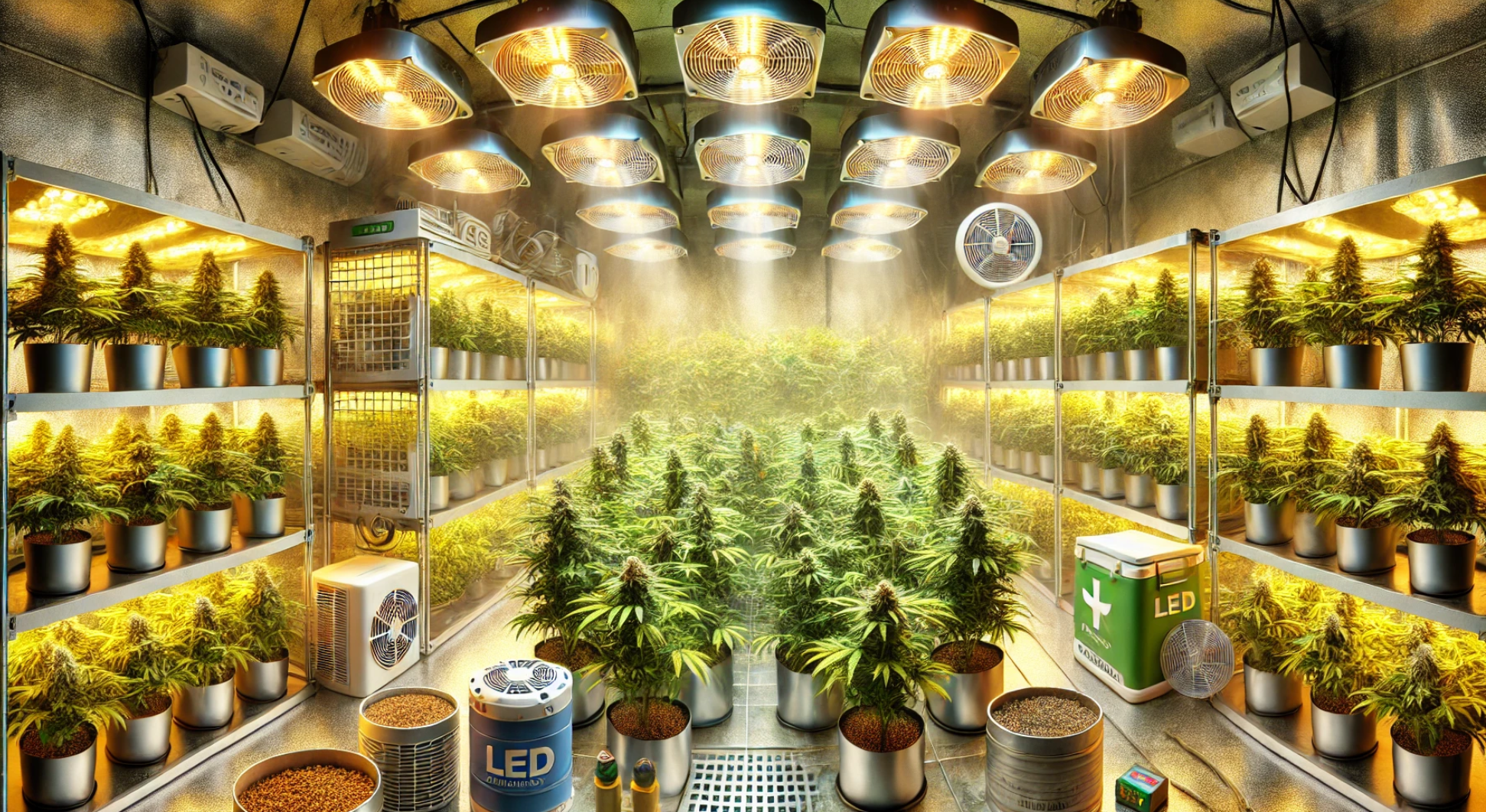
Contemporary indoor cultivation relies heavily on advanced lighting systems. Professional growers increasingly adopt LED technology, which offers superior efficiency and spectral control compared to traditional HID systems. These fixtures allow precise manipulation of light spectrums to optimize plant development throughout different growth phases. Modern LEDs also generate less heat, reducing cooling requirements and operating costs.
Essential cultivation factors include:
- Precise environmental monitoring and control systems
- Advanced nutrient delivery methods
- Proper air circulation and ventilation design
- Strategic plant training techniques
- Comprehensive pest management protocols
- Detailed documentation of growth cycles
Growth Medium Selection
Professional cultivators carefully select growing media based on specific requirements. While traditional soil remains popular, many operators transition to soilless methods like coco coir or advanced hydroponic systems. These alternatives offer enhanced control over nutrient delivery and root development, though they demand more technical expertise and monitoring.
Nutrient Management Protocols
Successful indoor cultivation requires sophisticated nutrient management. Modern growing operations utilize precision feeding schedules, often incorporating automated irrigation systems with EC and pH monitoring. Understanding macro and micronutrient interactions helps prevent deficiencies while optimizing plant development throughout various growth stages.
Air Management Systems
Proper ventilation design proves critical for indoor cultivation success. Advanced systems incorporate carbon filtration, ensuring appropriate air exchange while managing odor control. Strategic airflow patterns help strengthen plant structure while preventing moisture accumulation and potential pathogen development.
Plant Training Methodology
Professional cultivators employ various training techniques to maximize yield within limited indoor spaces. These methods include strategic pruning, canopy management, and various trellising systems. Understanding plant morphology helps optimize these techniques for enhanced production efficiency.
Pest and Disease Management
Indoor cultivation requires proactive approaches to pest and pathogen control. Modern facilities implement comprehensive integrated pest management programs, emphasizing prevention through environmental control and careful monitoring. Biological control agents often play key roles in sustainable management strategies.
Harvest Timing and Techniques
Determining optimal harvest timing demands careful observation and understanding of trichome development. Professional cultivators monitor these indicators while considering various environmental factors. Proper harvesting techniques preserve trichome integrity while preventing contamination.
Post-Harvest Processing
Professional operations implement detailed post-harvest protocols. These processes include carefully controlled drying environments, proper trimming techniques, and appropriate curing procedures. Understanding these elements proves essential for producing high-quality final products.
Modern cultivation facilities emphasize detailed record-keeping and data analysis. This information helps optimize future growing cycles while ensuring consistent product quality. Environmental data, nutrient schedules, and yield metrics provide valuable insights for continuous improvement.