
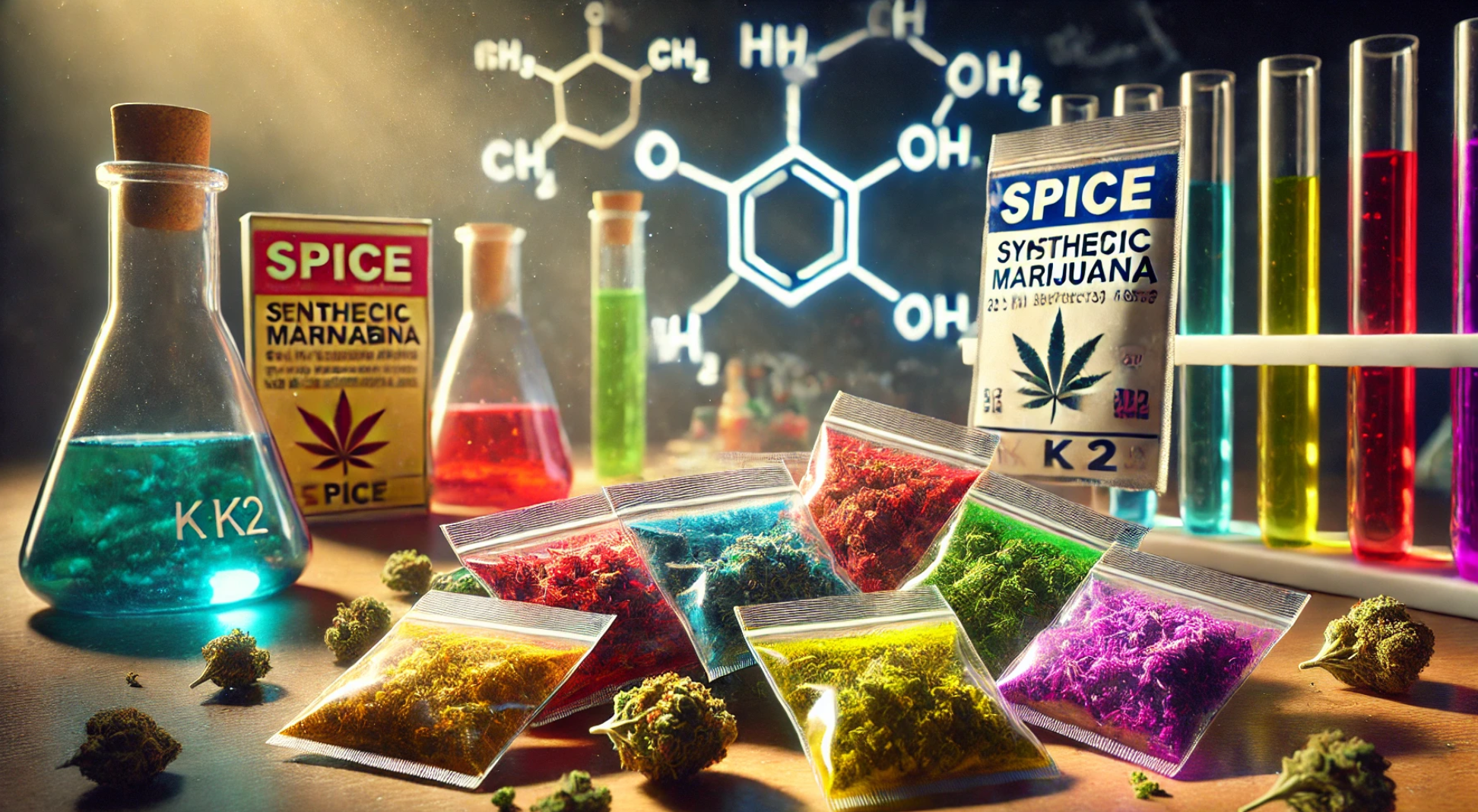
Synthetic marijuana, despite its name, bears little resemblance to natural cannabis beyond attempting to mimic certain effects. These laboratory-created substances, often marketed under names like K2 or Spice, represent a concerning trend in recreational drug use. Understanding their composition, effects, and risks proves crucial for public health awareness.
Chemical Composition
Unlike natural cannabis, synthetic marijuana consists of human-made chemicals sprayed onto dried plant material. These chemical compounds, known as synthetic cannabinoids, target the same brain receptors as THC but often bind more strongly, producing intensified and unpredictable effects. Manufacturers frequently alter chemical formulations to circumvent legal restrictions, making these substances particularly dangerous due to their ever-changing composition.
Key Differences from Natural Cannabis
Synthetic marijuana differs fundamentally from natural cannabis in several critical aspects:
- Unpredictable potency and effects due to inconsistent chemical formulations
- Higher risk of severe adverse reactions and toxicity
- Absence of natural cannabis’s therapeutic compounds
- Greater potential for addiction and withdrawal
- No quality control or manufacturing standards
- Unknown long-term health implications
Health Implications
The medical community reports increasingly severe health consequences associated with synthetic marijuana use. Emergency departments frequently treat cases involving extreme anxiety, paranoia, and psychosis. Physical symptoms may include rapid heart rate, vomiting, seizures, and organ damage. The variable potency of these substances significantly increases overdose risks, with some cases resulting in fatality.
Social Impact
The proliferation of synthetic marijuana particularly affects vulnerable populations, often marketed as a legal alternative to cannabis. Its relatively low cost and initial accessibility contribute to its spread, especially among young people. Communities face growing challenges in addressing the public health and safety concerns these substances present.
Detection Challenges
Traditional drug tests often fail to detect synthetic cannabinoids due to their constantly evolving chemical structures. This limitation poses significant challenges for healthcare providers, law enforcement, and organizations conducting drug screening. Manufacturers exploit this limitation, frequently modifying compounds to stay ahead of detection methods.
Legal Framework
Regulatory bodies struggle to effectively control synthetic marijuana distribution. While many jurisdictions ban specific chemical formulations, manufacturers rapidly develop new compounds to evade restrictions. This continuous evolution creates significant challenges for legislation and enforcement efforts, highlighting the need for more comprehensive regulatory approaches.
Prevention and Education
Public health initiatives increasingly focus on education about synthetic marijuana risks. Healthcare providers emphasize the importance of understanding these substances’ dangers, particularly their unpredictable nature and potential for severe adverse effects. Prevention programs target youth and vulnerable populations, providing accurate information about these dangerous compounds.
The synthetic marijuana phenomenon continues evolving, presenting ongoing challenges for public health and safety. Research efforts focus on understanding long-term health impacts and developing more effective detection methods. Additionally, public policy makers work to create more comprehensive regulatory frameworks to address this persistent public health concern.