
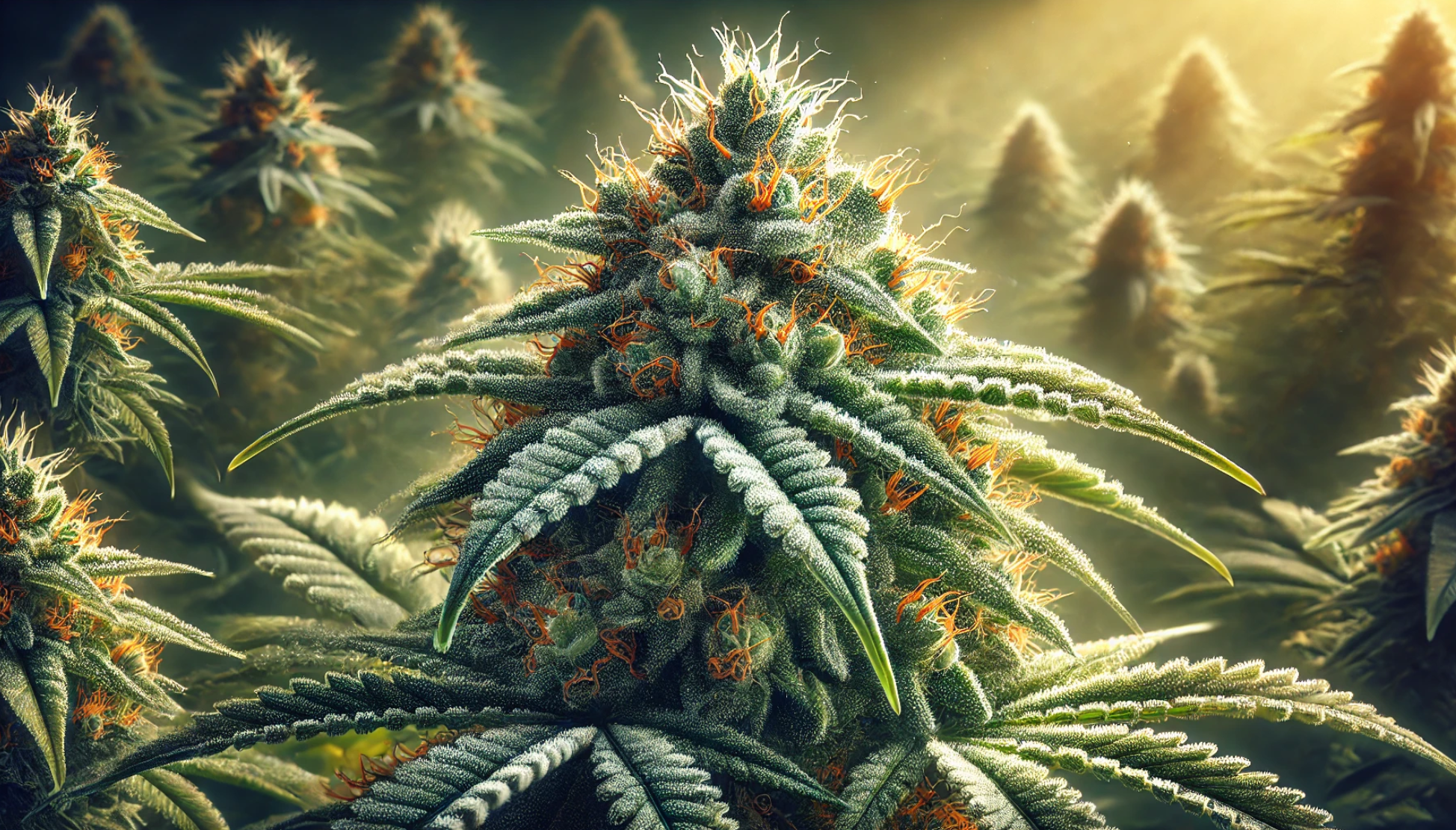
Critical Approaches to Cannabis Flowering
The flowering stage is fundamental in cannabis cultivation, marking the period when plants produce the highly desired buds. The duration of this stage is key in influencing both the volume and the caliber of the yield. This guide explores the key factors influencing the flowering time of cannabis and offers strategies to enhance both yield and potency.
Genetic Factors: The Foundation of Flowering
The genetic makeup of a cannabis plant largely determines the length of its flowering period. Cannabis strains are generally categorized into three types, each with unique flowering traits:
- Indica strains are recognized for their short flowering periods, typically lasting 6 to 8 weeks. These compact plants mature quickly, making them suitable for faster harvesting cycles.
- Sativa strains have longer flowering times, usually between 9 to 12 weeks, due to their taller stature and extended bud maturation.
- Hybrid strains display flowering times that combine characteristics from their Indica and Sativa origins, depending on the dominant genetic traits.
Lighting: The Catalyst for Flowering
Cannabis plants are predominantly photoperiod sensitive, requiring precise light conditions to shift from vegetative growth to flowering. This usually involves reducing exposure to light to 12 hours per day to simulate the natural reduction in daylight seen in late summer and fall. Indoor cultivators adjust these settings to prompt flowering when most beneficial.
Environmental Factors: Influencing Flower Development
Several environmental factors are critical:
- Temperature: Flowering typically fares best under cooler conditions. High temperatures can slow down the flowering process, while very low temperatures might impede plant growth or cause damage.
- Humidity: It is crucial to maintain optimal humidity levels to prevent issues like mold and mildew, particularly in the later stages of flowering.
- Nutrition: Maintaining adequate levels of phosphorus and potassium is crucial during the flowering stage, as these nutrients play vital roles in bud formation and growth.
Cultivation Practices: Optimizing Flowering
There are several cultivation practices that can enhance the flowering process:
- Pruning: Trimming unnecessary leaves allows the plant to focus its resources on developing buds, potentially improving both the speed and quality of flowering.
- Training Techniques: Methods like low-stress training (LST) or employing a screen of green (ScrOG) can enhance light exposure and airflow around the plants, fostering better flowering.
Strain-Specific Care: Key to Success
Each strain demands particular care, and knowing what your plants need is essential for successful cultivation. It’s vital to monitor the plants regularly for signs of stress, nutrient deficiencies, and overall health to make timely adjustments during the flowering stage.
The flowering stage requires meticulous management of genetic factors and lighting. By applying targeted cultivation techniques and diligently monitoring plant health, cultivators can profoundly affect the length and success of this phase, achieving superior yields of quality marijuana.